Outdoors9 min read
Castlewood Canyon, Daniels Park and Roxborough: Three Short Outings Compared
Three nearby places with three very different payoffs. Here is how to choose the right one for your day.
Outdoors
What to do, and what not to do, when you meet wildlife near Castle Rock, based on Colorado Parks and Wildlife guidance.
The open space around Castle Rock is not a park in the city-block sense. It is habitat. Deer, coyotes, rattlesnakes, rock squirrels and mountain lions all live in the same foothills and prairies where we walk dogs and push strollers. Most encounters are brief and harmless, and nearly all of them end well if people behave calmly and give the animal room to leave.
This guide summarizes advice from Colorado Parks and Wildlife, the agency that manages the state's wildlife, and turns it into a short list of habits. It is not a substitute for the agency's own pages, which are the source for current rules.
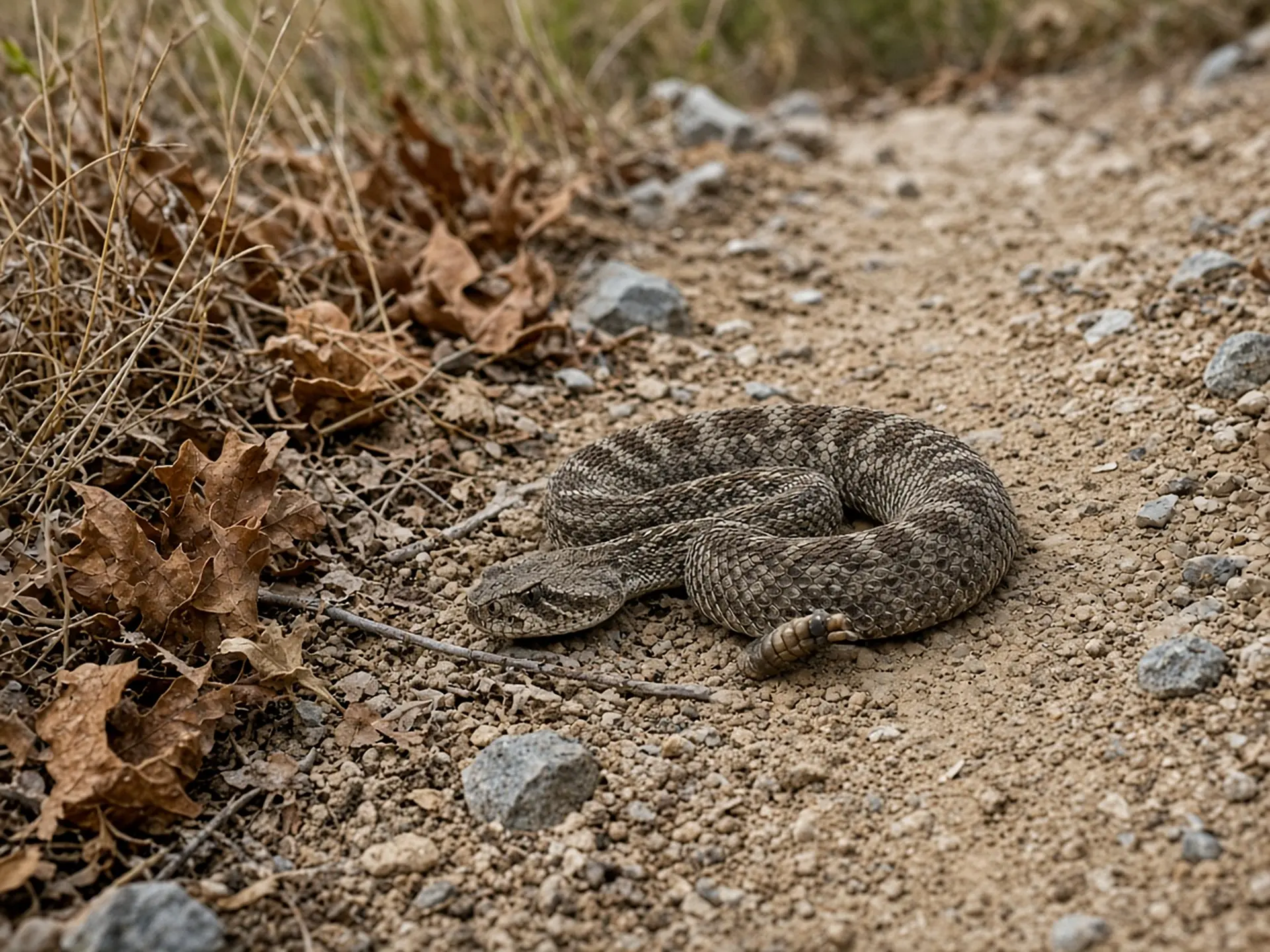
The prairie rattlesnake is the venomous snake you are most likely to meet on the open prairie and foothills near Castle Rock. It is most active in warm months, often at dawn and dusk, and it likes rocks, brush and sun-warmed trails. A rattlesnake is not looking for a fight. Most bites happen when someone steps on a snake, reaches into a hiding spot, or tries to handle or kill it.
A rattlesnake that is left alone will usually move on. If someone is bitten, stay calm, keep the limb still and call 911. Do not apply ice, cut the wound or use a tourniquet; those old remedies make things worse.
Mountain lions live along the Front Range, and sightings happen in open space and sometimes near homes. They are shy, and attacks on people are rare, but the advice is worth knowing. Hike in groups, keep children close and in sight, and avoid trails at dawn and dusk when lions are most active.
| If you see a lion | Do | Do not |
|---|---|---|
| It is far away | Make noise, group up and leave calmly | Do not approach or try to photograph it |
| It is close | Face it, stand tall and speak firmly | Do not run or turn your back |
| It acts aggressively | Appear large, raise your arms and fight back if attacked | Do not crouch or bend over |
| You have children or a dog | Pick up small children, keep dogs close and leashed | Do not let kids run ahead |
Running can trigger a chase instinct, which is why every wildlife agency says to stand your ground and back away slowly. Report aggressive behavior or a lion near homes to Colorado Parks and Wildlife.
Coyotes are common and usually avoid people, but they can be bold around unattended pets. Keep small dogs close, and never leave pet food outside. Deer and elk can be dangerous in spring and fall, when females protect young or males are in rut. Give them plenty of room, and never feed any wildlife.
Bears live in Douglas County too. If you live near open space, secure trash cans, take down bird feeders in warm months and keep grills clean. A bear that gets a food reward often returns, and that rarely ends well for the bear.
A snake is on the trail
Stop, back away and wait, or walk around by giving it a wide berth
A coyote follows you
Make noise, stand tall and keep walking
A deer stands near the trail
Keep your distance and keep your dog close
You see a lion
Stay calm, group up and back away slowly
The short version
Five feet from a snake, and as much room as possible from everything else.
Do not run from a lion. Back away slowly and face it.
Group up, leash dogs and keep your eyes open.
At a glance
Stay at least 5 feet away and back off slowly
Do not run. Face the animal, appear large and back away slowly
Hike in a group, keep dogs on a leash and stay alert
Colorado Parks and Wildlife
How we checked this
Facts were checked against these sources in November 2026. Hours, fees and rules change, so confirm with the source before you go.
Keep reading
Outdoors9 min read
Three nearby places with three very different payoffs. Here is how to choose the right one for your day.
Food & Drink8 min read
Why your cake sinks, your cookies spread and your pasta takes forever, plus the adjustments that fix each one.
Food & Drink8 min read
Where to spread a blanket, what to pack for thin air and fast weather, and how to keep the food safe.
Subscribe
Join the list and we will email you when new stories go up. One short note, no spam, and you can leave any time.