Food & Drink8 min read
How to Plan a Castle Rock Picnic That Survives Wind, Sun and Afternoon Storms
Where to spread a blanket, what to pack for thin air and fast weather, and how to keep the food safe.
Food & Drink
Why your cake sinks, your cookies spread and your pasta takes forever, plus the adjustments that fix each one.
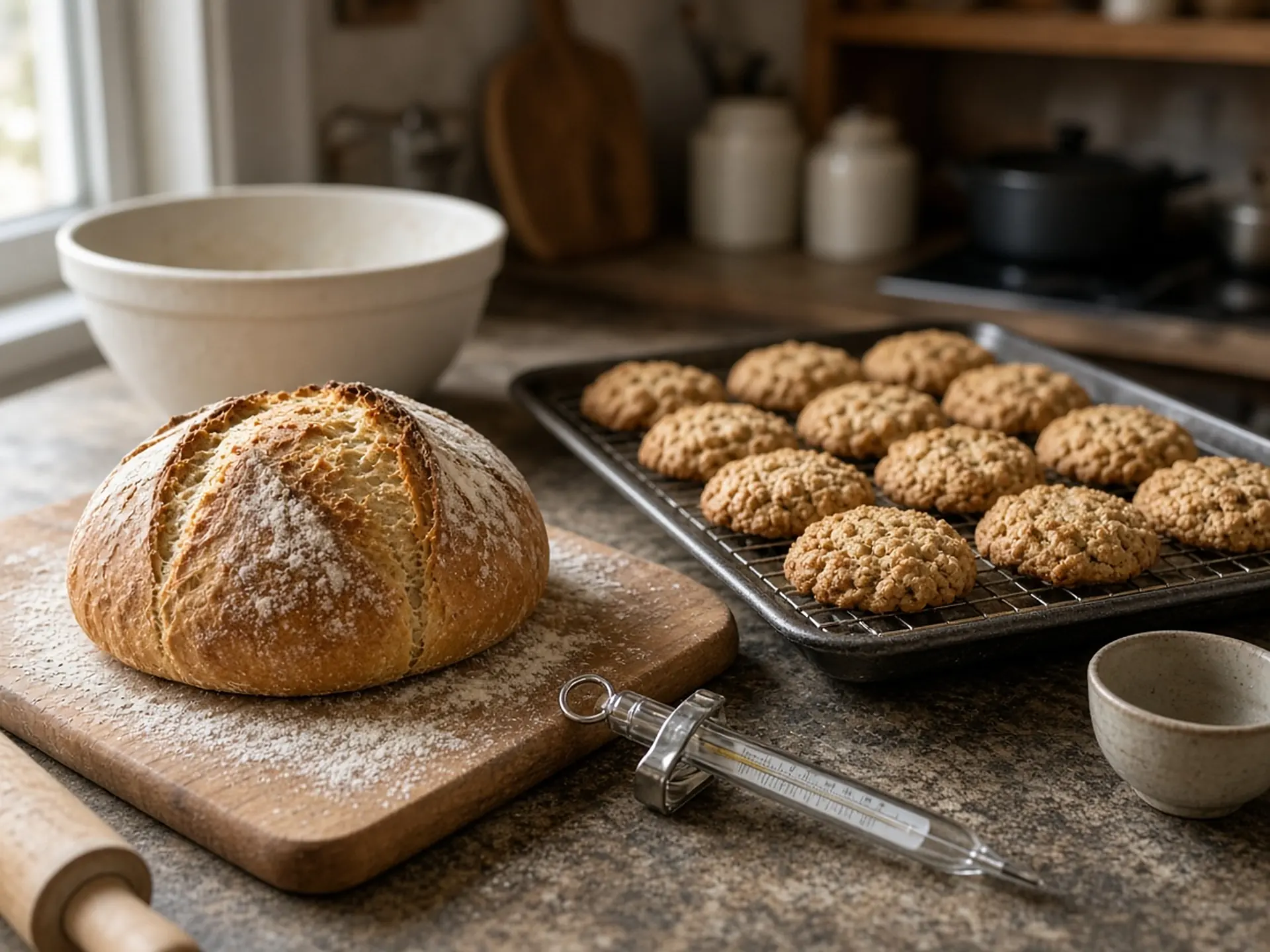
Castle Rock sits at roughly 6,200 feet, and the town's own pages put the Rock's summit near 6,590. Air pressure at that height is more than a fifth lower than at the coast. Nothing about flour or butter changes. What changes is how fast things expand, evaporate and boil, and each of those shows up in your kitchen as a specific, fixable problem.
Gases expand more easily when the air pushing back on them is thinner. A cake batter full of tiny bubbles from baking powder or beaten eggs rises quickly, overshoots, then collapses because the structure has not set yet. Water evaporates faster too, so batters dry out and doughs form a skin. And water itself boils at about 199°F here, which means a pot of "boiling" pasta is a full 13 degrees cooler than it would be at sea level.
| Thing in your kitchen | At sea level | At about 6,200 ft | What you notice |
|---|---|---|---|
| Water boils | 212°F | About 199°F | Pasta, rice and beans take longer |
| Batter rise | Steady | Fast, then drops | Domed cakes that sink in the middle |
| Moisture loss | Normal | Quicker | Dry crumb, tough crust, sticky candy |
| Yeast dough | Slow, even rise | Faster rise | Dough over-proofs and loses flavor |
This is where most newcomers get burned, so start here. Colorado State University Extension publishes adjustment tables by elevation. For a baseline around 5,000 feet, its guidance is to cut baking powder by about 1/8 teaspoon for every teaspoon the recipe calls for, raise the oven temperature 15 to 25°F, add one to two tablespoons of liquid per cup, and reduce sugar by up to a tablespoon per cup. At 6,200 feet, treat the high end of each range as your starting point, then adjust from there.
The oven bump sounds backwards until you think about timing. A hotter oven sets the crust and the crumb sooner, before the extra-fast rise has a chance to overshoot. Keep an eye on the clock, because the same recipe will usually finish a few minutes earlier.
Center sinks or the top cracks
Use less leavening and raise the oven temperature
Crumb is dry or crumbly
Add a tablespoon of liquid per cup and trim sugar slightly
Edges brown before the middle sets
Lower the rack and check with a toothpick at the early end of the range
Cake is gummy and heavy
Too much liquid or too little heat, so back off one change
Cookies spread into thin lacy discs
Add two tablespoons of flour and chill the dough for 30 minutes
Yeast does not care about altitude, but the dough around it does. Gas escapes a loose gluten network more easily, and the rise runs fast. The usual advice is to use slightly less yeast, shorten the first rise, and punch the dough down earlier than the recipe says. A dough that doubles in 45 minutes at altitude is often one that would have taken 75 at sea level, and a dough left too long will taste flat and collapse in the oven.
Flour matters more than it seems. Dry mountain air pulls moisture out of flour as it sits in the pantry, so a recipe's cup measure may carry less water than the author intended. If the dough feels stiff, add a tablespoon of water at a time instead of a splash. Weighing flour on a kitchen scale, at roughly 120 grams per cup of all-purpose, removes most of this guesswork.
At about 199°F, simmering water cooks food slower, so there is no setting on the stove that fixes this. Pasta usually needs a minute or two beyond the package time. Dried beans can take half again as long, and a pressure cooker is the most reliable cure, because it raises the cooking temperature above the boiling point no matter the elevation. Rice benefits from a splash more water and a tight lid.
Eggs are the other surprise. Hard-boiled eggs need a couple of extra minutes, and many cooks find that steaming them gives more consistent results than boiling. Check the shell by cooling a test egg and slicing it before you boil a dozen for a gathering.
Dry air and a hot car both work against leftovers. The USDA's basic rule is to keep cold food at or below 40°F and hot food at or above 140°F, and to discard perishables left out longer than two hours, or one hour when it is above 90°F. A summer afternoon in a parked car at a trailhead can pass that second threshold before you finish a hike.
Slow-cooked meals also need respect. If a pot of chili or stew spends several extra hours in the danger zone between those temperatures because it was slow to come to a simmer, cool it quickly in shallow containers.
The short version
Pick one you have made at sea level, so you can tell what altitude is doing.
Cut leavening, raise the oven, and add liquid in modest amounts. Change one thing at a time.
Check your own thermometer in boiling water and an oven thermometer on the rack.
A scribbled note on the card turns three failures into one reliable recipe.
At a glance
About 6,200 ft in town, roughly 1,200 ft above the 5,000 ft level CSU Extension uses for its first adjustment tier
About 199°F here, compared with 212°F at sea level
Lift the oven 15 to 25°F and trim the baking powder
A one-layer cake or a dozen drop cookies
How we checked this
Facts were checked against these sources in November 2026. Hours, fees and rules change, so confirm with the source before you go.
Keep reading
Food & Drink8 min read
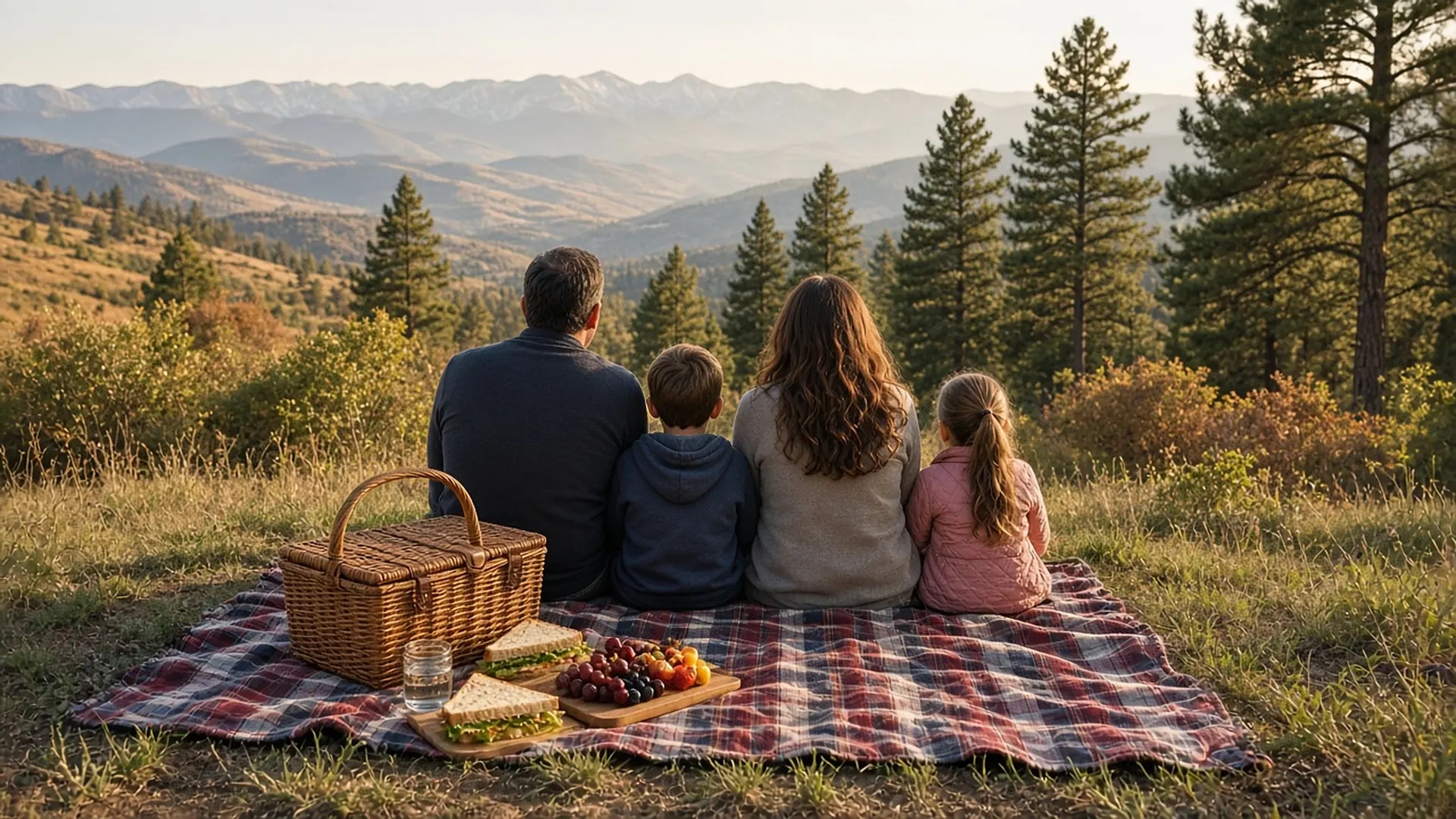
Where to spread a blanket, what to pack for thin air and fast weather, and how to keep the food safe.
Things to Do8 min read
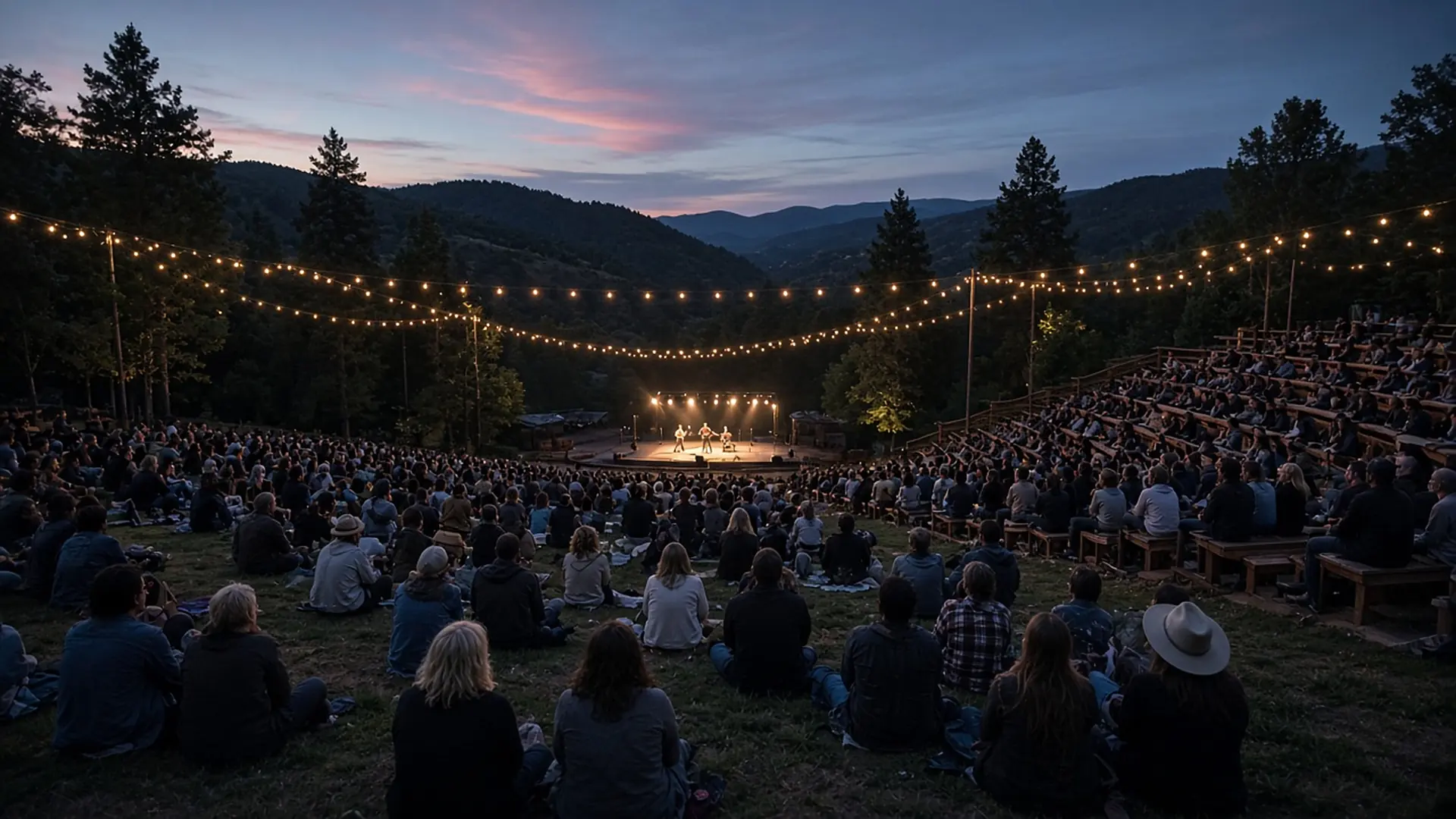
The annual rhythms worth knowing, where the official calendars live, and how to build a weekend around them.
Things to Do9 min read
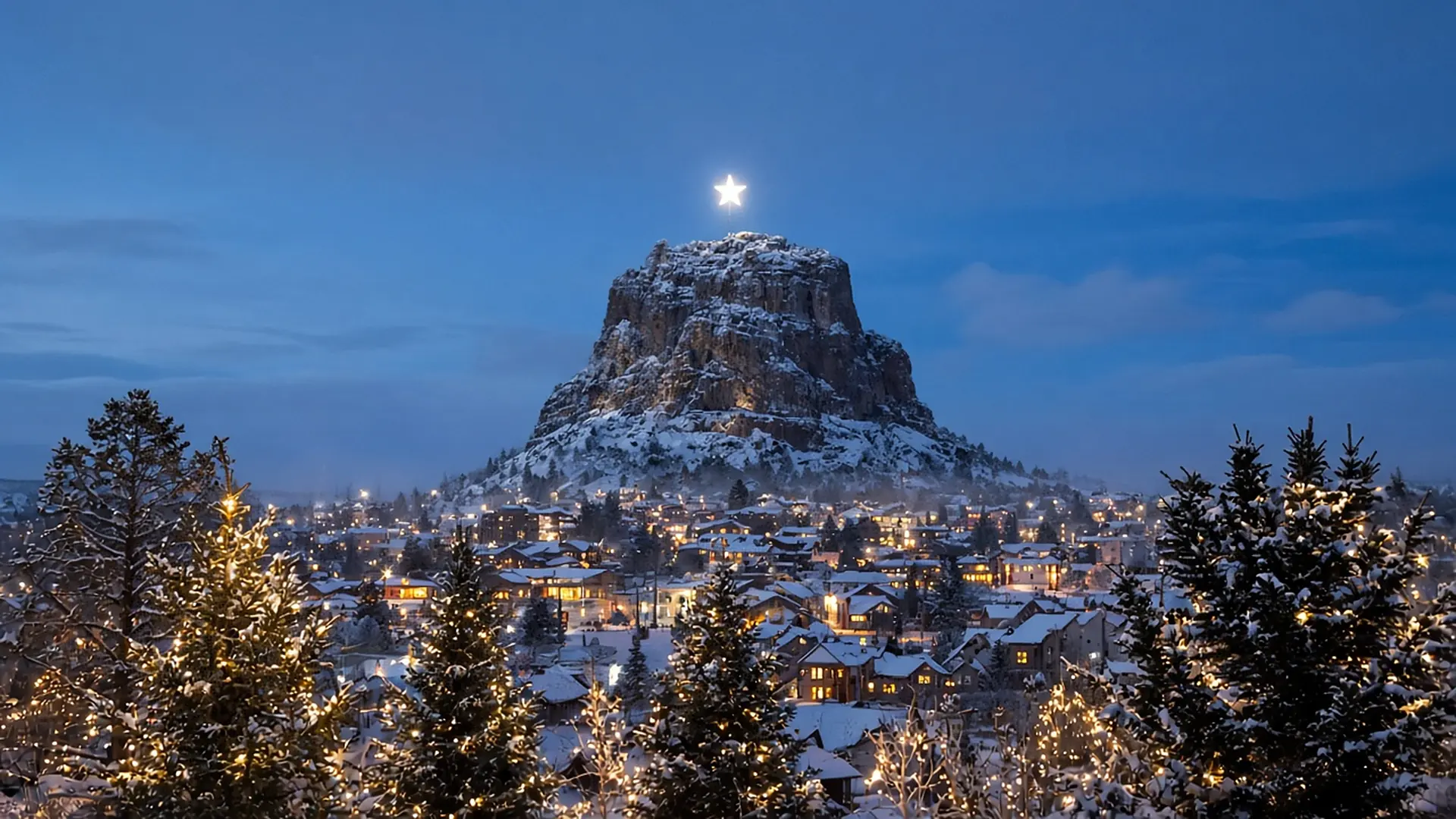
How the butte gave the town its name, what the 1936 star means, and how to see both without a wrong turn.
Subscribe
Join the list and we will email you when new stories go up. One short note, no spam, and you can leave any time.