Homes & Living9 min read
Buying a Home in Castle Rock: Water, HOAs and Metro Districts Explained
The three non-obvious costs behind a Castle Rock address, and the questions that expose them before you sign.
Homes & Living
What hail really does to a roof, whether impact-resistant shingles pay off, and how to handle a claim calmly.
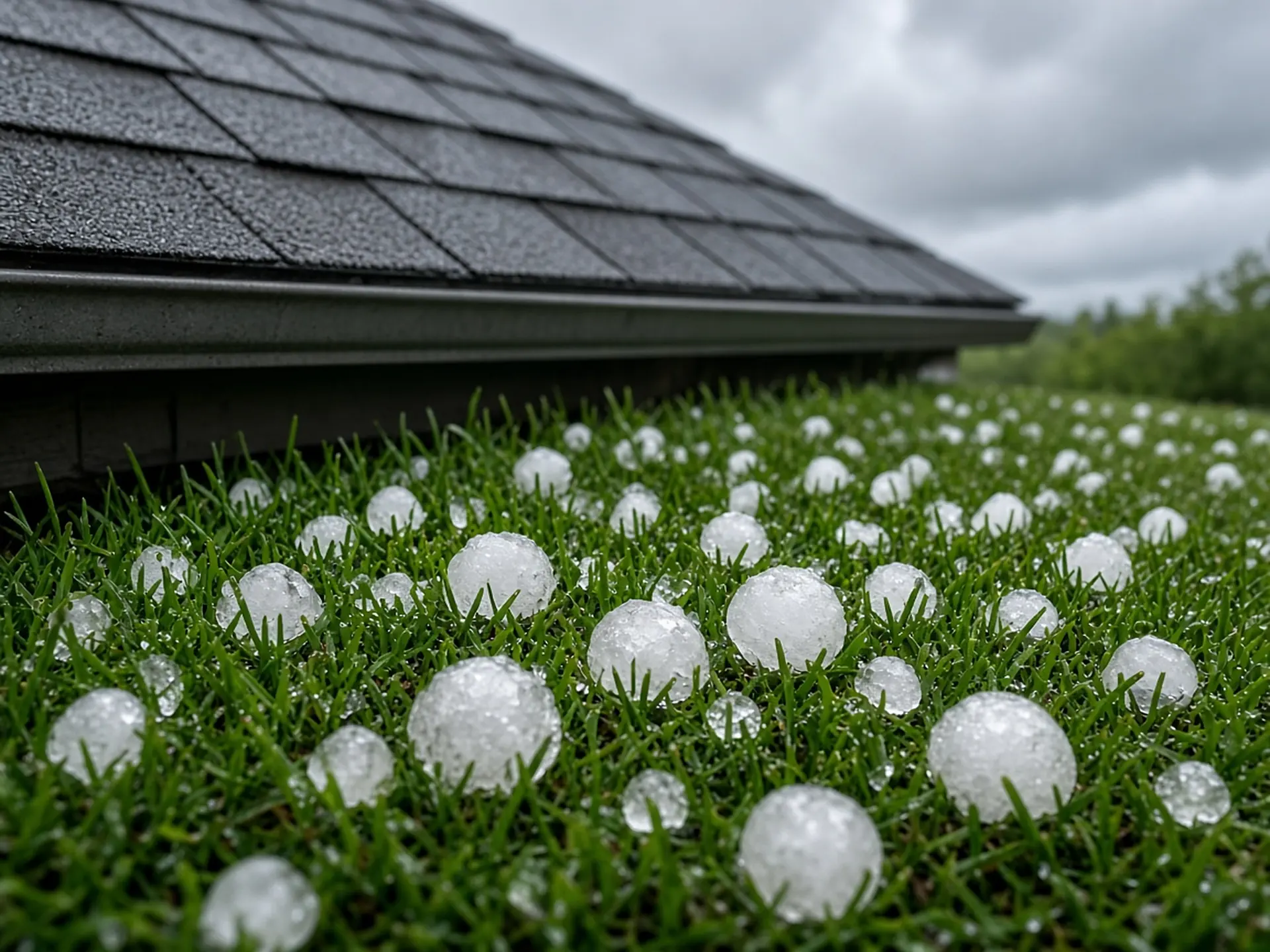
If you live in Castle Rock, you have probably heard the sound: a sudden drumming on the roof, then the quiet after. Hail on the Front Range is common enough that it shapes insurance premiums, roof choices and neighborhood conversations. The season runs from late spring through summer, and a single storm can damage hundreds of roofs in an afternoon.
That does not mean you should live in fear. It means you should understand what hail does, what your policy covers, and how to protect your home before the next storm rather than after it.
Hail damages roofs in two ways. Impact bruises the shingle, knocking granules loose and fracturing the mat underneath. Over time, exposed asphalt degrades faster in sunlight, and the roof leaks sooner than it should. The damage often shows only as small bruises that are hard to see from the ground, which is why professional inspections matter.
Damage also shows up on soft metals. Look for dents on gutters, downspouts, vents, window screens and the tops of a deck. If those show hail marks, the roof deserves a closer look.
| Sign | Where to look | What it may mean |
|---|---|---|
| Dented gutters and vents | Roof edge, ridge vents, flashings | The storm was strong enough to dent metal |
| Granules in the downspout | Gutter outflows | Shingle surface is wearing away |
| Round bruises or missing granules | Shingles on the south and west slopes | Direct hail impact on the roof |
| Cracked siding or screens | Walls and windows | Hail reached the structure, not just the roof |
Impact-resistant shingles are tested under the UL 2218 standard, which drops steel balls of increasing size on a sample. Class 4 is the highest rating. Insurers in hail-prone states often offer a premium credit for a Class 4 roof, and a typical range is 5 to 25 percent of the wind and hail portion of the premium. The credit is not automatic, so you must ask your carrier what it offers and what proof it needs.
| Standard shingle | Class 4 impact-resistant | |
|---|---|---|
| Upfront cost | Lower | Higher, often by a noticeable margin |
| Hail performance | Bruises with moderate hail | Resists moderate hail, but is not hail-proof |
| Insurance credit | None | May earn a discount if your carrier offers one |
| Warranty | Varies | Check whether hail damage is covered |
Class 4 does not make a roof immune. Very large stones can still cause damage. Run the numbers: if your annual wind and hail premium is high, a 15 percent credit may offset a good portion of the added roof cost over a decade. Ask your carrier for the credit in writing before you sign a roofing contract.
You cannot stop hail, but you can reduce what it costs you. Trim branches that could fall on the roof, keep gutters clear, and replace an old roof before it fails. Park vehicles in a garage or carport when a hail warning is issued. Some homeowners also protect AC units with hail guards, which keep the condenser fins from being shredded.
Roof is near the end of its life
Replace it proactively, ideally with Class 4 shingles
Roof is in good shape
Inspect after each large storm
Premium is high
Ask your carrier about credits and a higher deductible
A contractor pressures you
Walk away and get a second opinion
The short version
Learn your wind and hail deductible and what proof the credit requires.
Photos with a date beat memory every time.
Never sign a roofing contract that hands over your claim.
At a glance
Hail is most common from late spring through summer
Class 4 (UL 2218) is the impact-resistance rating insurers often recognize
Often 5 to 25 percent of the wind and hail portion, not automatic
Take dated photos and call your insurer
How we checked this
Facts were checked against these sources in November 2026. Hours, fees and rules change, so confirm with the source before you go.
Keep reading
Homes & Living9 min read
The three non-obvious costs behind a Castle Rock address, and the questions that expose them before you sign.
Food & Drink8 min read
Why your cake sinks, your cookies spread and your pasta takes forever, plus the adjustments that fix each one.
Food & Drink8 min read
Where to spread a blanket, what to pack for thin air and fast weather, and how to keep the food safe.
Subscribe
Join the list and we will email you when new stories go up. One short note, no spam, and you can leave any time.